Summary

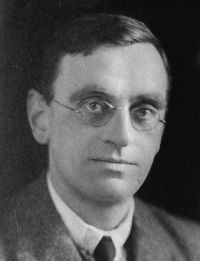
Portrait of H. C. Bailey H. C. Bailey The Lonely Queen — IV. Spain Proposes (1910)

Mary, the Queen, lonely among intriguers who only cared for her as their tool, was torn in an agony of doubt. The conscience, the religion that would not have her kill without proof of guilt, fought wildly for her soul with the bigotry that bade her make an end of the heretic and the long pent hungry desires of womanhood. Day by day Renard and Gardiner tempted her desires to madness with fresh craft.
Elizabeth had won leave to walk in the little garden of the Tower. On a mellow spring evening she found a man there before her.
Source: Wikisource

Portrait of H. C. Bailey H. C. Bailey The Lonely Queen — IV. Spain Proposes (1910)

She laughed. “There's a right Englishman,” her deep voice rang. She gave him her hand to kiss. The Admiral ushered him out.
Renard glowered at her. He had no weapon to use against that temper. He had labelled her an old maid sick of love who would do anything for a husband. And now he dared not so much as taunt her, for her fleet commanded the seas and she boasted its enmity to Spain. He had counted on her hungry desires to conceal from her that Spain coveted the marriage, which would make a sure alliance with England's power, as much as she.
Source: Wikisource

Portrait of H. C. Bailey H. C. Bailey The Lonely Queen — IV. Spain Proposes (1910)

The good chaplain, who, as you see, had rated his wits low, yet rated them too high. They discovered, indeed, no guile in the chaplain's advice, but they were hard put to it before they made out what it was meant to mean. At last he did find himself able to see that he and Elizabeth had best tell exactly the same lies as to how little they knew of Wyatt. When he once conceived the idea of going to talk to Elizabeth, he was swiftly eager to go, for he was one of the men who find life without someone to talk to mere melancholy, and life without a woman to look at no better than death.
Source: Wikisource

Get perspective with Kwize: daily news enlightened by great literature