Wench

Definition and stakes

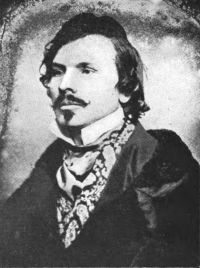
Portrait of Norman Douglas Norman Douglas,  Fountains in the Sand: Rambles Among the Oases of Tunisia

“ The wild-eyed young wench, with her dishevelled hair, ferocious bangle-ornaments, tattooings, and nondescript blue rags open at the side and revealing charms well fitted to disquiet some robust savage—what has such a creature in common with the rest of us? Not even certain raptures, misdeemed primeval; hardly more than what falls to man and beast alike. ”
Source: Gutenberg

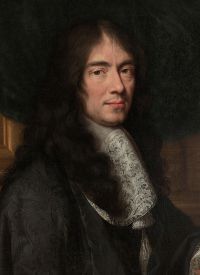
Elizabeth Mary Wright,  Rustic Speech and Folk-Lore

“ Mark she is ‘the damsel’. Wyclif termed her ‘the wenche’, a term which occurs in the Authorized Version in 2 Samuel xvii. 17, ‘And a wench went and told them.’ In Yorkshire and Lancashire wench is a term of endearment; in Cheshire it is simply the feminine of lad; in Oxfordshire they summon cows with the cry: Come, wench, come, wench; in Gloucestershire the well-known rhyme runs:
A wickering [giggling] wench and a crowing hen,
Is neither good to God nor men.
”
Source: Gutenberg

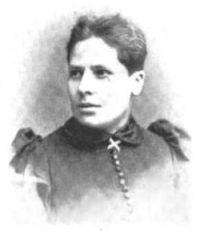
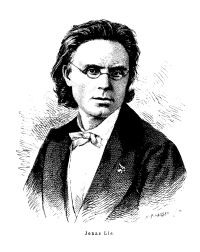
Portrait of Jonas Lie Jonas Lie,  Weird Tales from Northern Seas

“ Down she went to the ground gnome, and was scoured and scrubbed and combed out finely.
One evening a large-limbed coarse-grained wench stepped into the general-dealer's kitchen, and asked if she could be taken into service.
"You must be cook, then," said Madame2. It seemed to her that the wench was one who would stir the porridge finely, and would make no bones about a little extra wood-chopping and tub-washing. So they took her on.
”
Source: Gutenberg

Get perspective with Kwize: daily news enlightened by great literature