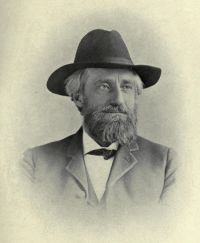
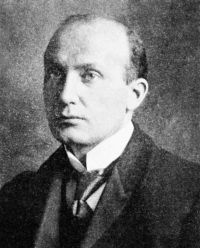
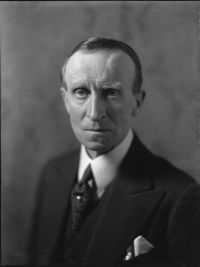
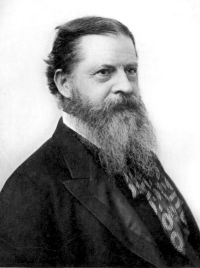
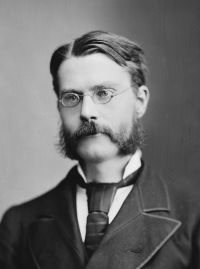
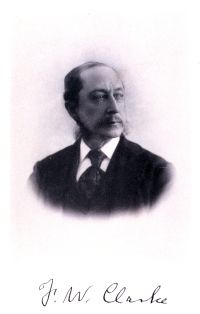
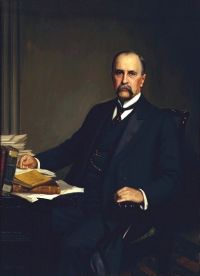
The concept of a "guess" refers to a tentative suggestion or hypothesis, typically based on incomplete data or intuition. Authors such as William Horatio Bates described scientific theories as informed assumptions, while Richard Feynman emphasized the need for experimental verification to differentiate assumptions from fact. Horatius Flaccus warned against excessive dependence on intuitive reasoning, and Thomas Huxley distinguished between rash suppositions and hypotheses rooted in systematic inquiry.
These viewpoints underscore an ongoing conflict between speculation and empirical precision, demonstrating how assumptions serve as preliminary stages in the quest for understanding. The integration of these perspectives shows that although assumptions are uncertain, they remain essential as initial points for investigation when balanced with rigorous analysis.