Summary

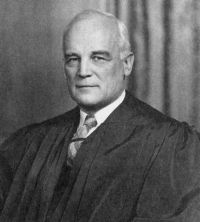
Portrait of Harold Hitz Burton Harold Hitz Burton Taylor v. Alabama — Opinion of the Court

The rule in that State, which we think is just and proper, and is here adopted, calls for a petition to this Court, when the judgment of conviction has been here affirmed, for leave to petition the circuit court where the conviction was obtained for a writ of error coram nobis to review such judgment. Such application should make an adequate showing of the substantiality of the petitioner's claim to the satisfaction of this Court. A mere naked allegation that a constitutional right has been invaded will not suffice.
Source: Wikisource

Portrait of Harold Hitz Burton Harold Hitz Burton Taylor v. Alabama — Opinion of the Court

The proceeding here is not even a review, de novo, of the merits of the request made to the Supreme Court of Alabama. The issue before us is limited to a determination of whether, under all the circumstances, the action of the Supreme Court of Alabama in denying permission for the petitioner to file his petition not merely had committed error but had deprived the petitioner of life or liberty without due process of law.
Source: Wikisource

Portrait of Harold Hitz Burton Harold Hitz Burton Taylor v. Alabama — Opinion of the Court

The first question is whether this Alabama procedure to secure a review of a judgment in a criminal case by writ of error coram nobis constitutes due process of law under the Fourteenth Amendment. It is clear that it does. This procedure to enable a trial court to correct its own judgment when found by it to have been based upon an error of fact not apparent on the common law record has long been recognized at common law. [4] It survives in varying forms in state practice but it may be that in federal practice its purpose is otherwise served.
Source: Wikisource

Get perspective with Kwize: daily news enlightened by great literature