Harvey J. O'Higgins

Harvey J. O'Higgins

Summary

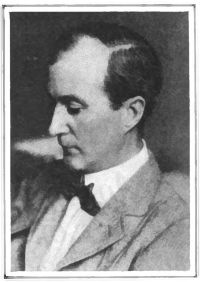
Portrait of Harvey J. O'Higgins Harvey J. O'Higgins From the Life — Conrad Norman (1919)

Come on," he cried. "Hurry up. My room. It's my room."
11 I was glad that Centerbrook went to bed at ten. He hung over me, from the back seat, urging me on, like the heroine of a movie race between a touring-car and sudden death. And when he had hurried me, stumbling through the dark halls and up the creaking staircases of the sleeping Gorman family, and pushed me into his attic room and locked the door behind us and switched on the light, he stood, with his eyes on the faded chintz curtains of a clothes-closet, panting with all the impatient emotions of a screen star with the chest heaves.
Source: Wikisource

Portrait of Harvey J. O'Higgins Harvey J. O'Higgins From the Life — Conrad Norman (1919)

All her English novels painted it in imaginative colors, in "the light that never was"; and she went to it as an escape from life, from the hopelessness of her affection for Con Gorman and the sight of his misery. And she found that England was "changed," that life there was full of the most terrible realities of death and war, that she had not escaped, that even the unhappiness of Centerbrook looked like comparative peace and quiet.
Source: Wikisource

Portrait of Harvey J. O'Higgins Harvey J. O'Higgins From the Life — Conrad Norman (1919)

On the High Street side of the house there were still shuttered windows and a sun-blistered, weather-crackled, high-eyebrowed, old colonnade porch that was prouder than paint. Behind their street hedge the Furnesses could drink afternoon tea under the Voss elms, safe from the intruding curiosity of any but neighborly mosquitoes—and Mrs. Furness rather managed to make them part of the function by calling them "midges." (Have I said that the Furnesses came from Bury, near Houghton, in Sussex?)
Source: Wikisource

Get perspective with Kwize: daily news enlightened by great literature