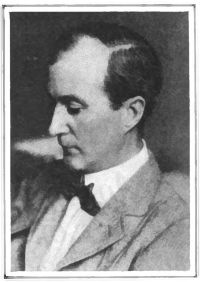
Harvey J. O'Higgins

Harvey J. O'Higgins

Summary

Portrait of Harvey J. O'Higgins Harvey J. O'Higgins Scollard and the American Stage (1915)

How does he expect a successful actor to bow to the applause of audiences night after night and never be inflated by it? And when the whole world seems to be fascinated by an actor's personality, how is it possible for him to keep his eyes off it and think only of his work?
As for the critic, of whom Scollard speaks as bitterly as he does of the actor or the manager, there is no interest among us in dramatic criticism as such. The successful critic is a writer who gets himself read by writing what is readable about the theater. He must keep his mind on his audience, not on his victim.
Source: Wikisource

Portrait of Harvey J. O'Higgins Harvey J. O'Higgins Scollard and the American Stage (1915)

A star needs no more art than will save him from being ridiculous. He often has much more. He is sometimes a great character actor in his own domain. But the star pure and simple—the matinée idol or the reigning stage beauty of the day—makes a following out of personal appearance, personal magnetism, the charm of personal mannerisms that are appealing, and the exhibition of these qualities in rôles that are sympathetic.
Source: Wikisource

Portrait of Harvey J. O'Higgins Harvey J. O'Higgins Scollard and the American Stage (1915)

There is no authority under heaven that can compel them to obey direction absolutely. Neither the stage-director nor the author nor even the manager can do it. Unwillingness will pretend to be stupidity, and insist that it thinks it is doing what it has been told to do. It will take refuge in all the deviousnesses of the artistic temperament. It will evade, appeal, sulk, diplomatize, finesse, play politics, and practise every art of the Old Man of the Sea.
Source: Wikisource

Get perspective with Kwize: daily news enlightened by great literature