Bernard Shaw

Definition and stakes

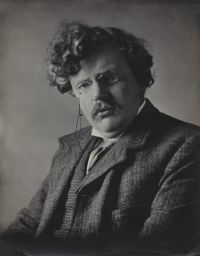
Portrait of G. K. Chesterton G. K. Chesterton,  George Bernard Shaw

“ I propose here to dismiss this aspect of Shaw: only let it be remembered, once and for all, that I am here dismissing the most important aspect of Shaw. It is as if one dismissed the sculpture of Michael Angelo and went on to his sonnets. Perhaps the highest and purest thing in him is simply that he cares more for politics than for anything else; more than for art or for philosophy. Socialism is the noblest thing for Bernard Shaw; and it is the noblest thing in him. He really desires less to win fame than to bear fruit. ”
Source: Gutenberg

R. A. Scott-James,  Personality in Literature

“ Shaw is not a great dramatist—he has not allowed himself to be a great imaginative artist—he turned his back upon imaginative art at the age of twenty-nine.
In the cleverest of his plays there is, indeed, always one real person, and that person is none other than himself. In Man and Superman, in Arms and the Man, and in John Bull's Other Island, the hero is in each case nothing more nor less than a new impersonation of Bernard Shaw.
”
Source: Gutenberg

Portrait of Gilbert Keith Chesterton Gilbert Keith Chesterton,  George Bernard Shaw — The Philosopher (1910)

“ And just about the time that this had been finally proved, the plays of Bernard Shaw promised to play like Charley's Aunt and to pay like Colman's Mustard. It is a fact in which we can all rejoice, not only because it redeems the reputation of Bernard Shaw, but because it redeems the character of the English people. All that is bravest in human nature, open challenge and unexpected wit and angry conviction, are not so very unpopular as the publishers and managers in their motor-cars have been in the habit of telling us. ”
Source: Wikisource

Get perspective with Kwize: daily news enlightened by great literature