Summary

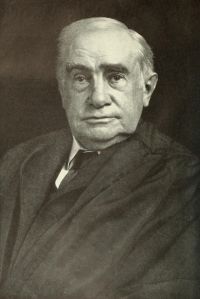
Portrait of Henry Billings Brown Henry Billings Brown Plessy v. Ferguson, 163 U.S. 537…

Legislation is powerless to eradicate racial instincts or to abolish distinctions based upon physical differences, and the attempt to do so can only result in accentuating the difficulties of the present situation. If the civil and political rights of both races be equal, one cannot be inferior to the other civilly or politically. If one race be inferior to the other socially, the Constitution of the United States cannot put them upon the same plane.
Source: Wikisource

Portrait of Henry Billings Brown Henry Billings Brown Plessy v. Ferguson, 163 U.S. 537…

A statute which implies merely a legal distinction between the white and colored races — a distinction which is founded in the color of the two races and which must always exist so long as white men are distinguished from the other race by color — has no tendency to destroy the legal equality of the two races, or reestablish a state of involuntary servitude.
Source: Wikisource

Portrait of Henry Billings Brown Henry Billings Brown Plessy v. Ferguson, 163 U.S. 537…

The power to assign to a particular coach obviously implies the power to determine to which race the passenger belongs, as well as the power to determine who, under the laws of the particular State, is to be deemed a white and who a colored person. This question, though indicated in the brief of the plaintiff in error, does not properly arise upon the record in this case, since the only issue made is as to the unconstitutionality of the act so far as it requires the railway to provide separate accommodations and the conductor to assign passengers according to their race.
Source: Wikisource

Get perspective with Kwize: daily news enlightened by great literature