Summary

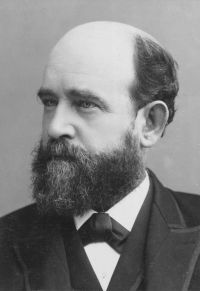
Portrait of Henry George Henry George Progress and Poverty (George)… (1879)

This robbery is not like theft of a horse or a sum of money that ceases with the act. It is a fresh and continuous robbery that goes on every day and every hour. It is not from the produce of the past that rent is drawn; it is from the produce of the present. It is a toll levied upon labour constantly and continuously. Every blow of the hammer, every stroke of the pick, every thrust of the shuttle, every throb of the steam engine, pays its tribute. It levies upon the earnings of those men who, deep underground, risk their lives, and of those who over white surges hang to reeling masts.
Source: Wikisource

Portrait of Henry George Henry George Progress and Poverty (George)… (1879)

If the land belong to the people, why continue to permit landowners to take the rent, or compensate them in any manner for the loss of rent? Consider what rent is. It does not arise spontaneously from land; it is due to nothing that the landowners have done. It represents a value created by the whole community. Let the landholders have, if you please, all that the possession of the land would give them in the absence of the rest of the community. But rent, the creation of the whole community, necessarily belongs to the whole community.
Source: Wikisource

Portrait of Henry George Henry George Progress and Poverty (George)… (1879)

It is sufficient if the people resume ownership of the rent of land. Let the landowners retain their improvements and personal property in secure possession. And in this measure of justice would be no oppression, no injury to any class. The great cause of the present unequal distribution of wealth, with the suffering, degradation and waste that it entails, would be swept away. Even landholders would share in the general gain. The gain of even the large landholders would be a real one. The gain of the small landholders would be enormous.
Source: Wikisource

Get perspective with Kwize: daily news enlightened by great literature