Summary

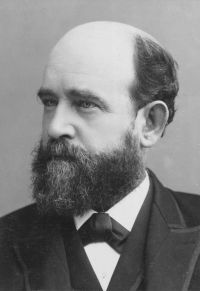
Portrait of Henry George Henry George Progress and Poverty (George)… (1879)

To give the suffrage to tramps, to paupers, to men to whom the chance to labour is a boon, to men who must beg, or steal, or starve, is to invoke destruction. To put political power in the hands of men embittered and degraded by poverty is to tie firebrands to foxes and turn them loose amid the standing corn; it is to put out the eyes of a Samson and to twine his arms around the pillars of national life.
To turn a republican government into a despotism the basest and most brutal, it is not necessary formally to change its constitution or to abandon popular elections.
Source: Wikisource

Portrait of Henry George Henry George Progress and Poverty (George)… (1879)

Forms are nothing when substance has gone, and the forms of popular government are those from which the substance of freedom may most easily go. Extremes meet and a government of universal suffrage and theoretical equality may, under conditions which impel the change, most readily become a despotism. For there despotism advances in the name and with the might of the people. The single source of power once secured, everything is secured. There is no enfranchised class to whom appeal may be made, no privileged orders who in defending their own rights may defend those of all.
Source: Wikisource

Portrait of Henry George Henry George Progress and Poverty (George)… (1879)

The tendency to inequality, which is the necessary result of material progress where land is monopolized, cannot go much farther without carrying our civilization into that downward path which is so easy to enter and so hard to abandon. Everywhere the increasing intensity of the struggle to live, the increasing necessity for straining every nerve to prevent being thrown down and trodden underfoot in the scramble for wealth, is draining the forces that gain and maintain improvements.
Source: Wikisource

Get perspective with Kwize: daily news enlightened by great literature