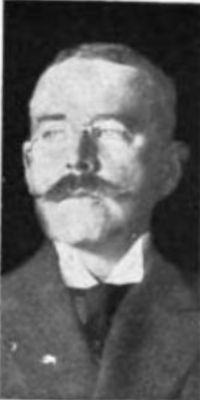
Henry McBride

Henry McBride

The Dial (1923)

Summary

Portrait of Henry McBride Henry McBride,  The Dial (1923)

“ He did do his best and his best was not bad and Madame Lachaise, who came in just as our festivities got under way, expressed no special disapproval though insisting with perhaps a shade of firmness that all present should come in again the following Sunday for another cup of tea. The second Sunday's tea was, of course, superb, but—so perverse is human nature—both teas registered with equal firmness upon my brain and I shall never see the charming and poetic little bronze without thinking of two pleasant Sunday afternoons. ”
Source: Wikisource

Portrait of Henry McBride Henry McBride,  The Dial (1923)

“ There must be an uproar, of course, and scandalized upholders of virtue must protest shriekingly against the licence that comes to them from the stage, but in arranging for this Mr Tzara secured more shriekers than things to be shrieked at. His bravi were so impetuous and unrestrained that at the very first line of the very first poem they shrieked themselves, the police aiding, out of the theatre. Young Mr de Massot had a tiny poem each line of which said that somebody died upon the field of honour. ”
Source: Wikisource

Portrait of Henry McBride Henry McBride,  The Dial (1923)

“ What took place between them and the police outside? Did the police say, "Now will you promise to be good if we let you go in again?" and did they promise, or what? At any rate it is possible to envy Paris her police system. We have nothing like it here. I had to explain to Mr Tzara that we martyrize the first person who does anything in America and that our martyrdoms are not amusing and do not necessarily lead to much. ”
Source: Wikisource

Get perspective with Kwize: daily news enlightened by great literature