Summary

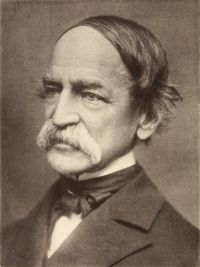
Portrait of Isaac N. Arnold Isaac N. Arnold The Life of Abraham Lincoln — Chapter XIII (1885)

There were few acts in the life of Lincoln more characteristic, indicating a higher and firmer courage and independence, together with the exercise of a cool, dispassionate judgment, than the release of Mason and Slidell. No act of the British Government, since the days of the Revolution, ever excited such an intense feeling of hostility, as her haughty demand for the release of these rebels.
Source: Wikisource

Portrait of Isaac N. Arnold Isaac N. Arnold The Life of Abraham Lincoln — Chapter XIII (1885)

From the beginning of the contest, the slaves flocked to the Union army, as to a haven of refuge. They believed freedom was to be found within its picket lines and under the shelter of its flag. They were ready to act as guides, to dig, to work, to fight for liberty. The Yankees, as their masters called the Union troops, were believed by them to come as their deliverers from long and cruel bondage. And yet, almost incredible as it may now seem, many officers permitted masters and agents to enter their lines, and carry away by force these fugitive slaves.
Source: Wikisource

Portrait of Isaac N. Arnold Isaac N. Arnold The Life of Abraham Lincoln — Chapter XIII (1885)

Dark and lowering, he could be daily seen in his carriage--always alone--driving to the Senate chamber, where his voice and his votes were always given to thwart the war measures of the government. It was obvious that his heart was with his old associates at Richmond. As soon as the session closed, he threw off all disguise, and joined the army of the insurgents. While at Washington, gloomy, and it may be sorrowful, he said: "We can only look with sadness on the melancholy drama that is being enacted."
Source: Wikisource

Get perspective with Kwize: daily news enlightened by great literature