Summary

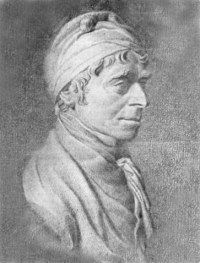
Portrait of James Burney James Burney History of the Buccaneers of America

Near a mile from the mouth of the harbour, on the East side, is a little Island close by the main-land. On the West side of the mouth of the harbour, is a great hollow rock, which by the continual working of the sea in and out, makes a great noise, and may be heard a great way; every surge that comes in, forces the water out at a little hole at the top, as out of a pipe, from whence it flies out just like the blowing of a whale, to which the Spaniards liken it, and call it El Buffadore.
Source: Gutenberg

Portrait of James Burney James Burney History of the Buccaneers of America

To prevent their taking refuge in the woods or mountains, an officer, under the title of Alguazil del Campo, was constantly on the watch with a pack of hounds; and many Indians, in endeavouring to escape, were torn in pieces. The settlers on the Island, the great men at home, their agents, and the royal revenue, were all to be enriched at the expence of the destruction of the natives. It was as if the discovery of America had changed the religion of the Spaniards from Christianity to the worship of gold with human sacrifices.
Source: Gutenberg

Portrait of James Burney James Burney History of the Buccaneers of America

It was not the least of fortune's favours to this crew of Buccaneers, that they should find it in their power, without any care or forethought of their own, to terminate a long course of piratical adventures in quietness and security. Edward Davis was afterwards in England, as appears by the notice given of his discovery by William Dampier, who mentions him always with peculiar respect. Though a Buccaneer, he was a man of much sterling worth; being an excellent Commander, courageous, never rash, and endued in a superior degree with prudence, moderation, and steadiness
Source: Gutenberg

Get perspective with Kwize: daily news enlightened by great literature