Summary

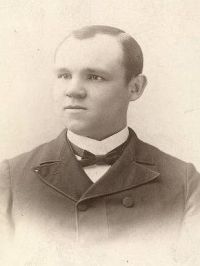
Portrait of James E. Talmage James E. Talmage,  Jesus the Christ — Chapter 19

“ The avowed purpose of the fable is rather to amuse than to teach. The parable may embody a narrative as in the instances of the sower and the tares, or merely an isolated incident, as in those of the mustard seed and the leaven.
Allegories are distinguished from parables by greater length and detail of the story, and by the intimate admixture of the narrative with the lesson it is designed to teach; these are kept distinctly separate in the parable. Myths are fictitious stories, sometimes with historic basis of fact, but without symbolism of spiritual worth.
”
Source: Wikisource

Portrait of James E. Talmage James E. Talmage,  Jesus the Christ — Chapter 19

“ Grain sown where thorns and thistles abound is soon killed out by their smothering growth; even so with a human heart set on riches and the allurements of pleasure—though it receive the living seed of the gospel it will produce no harvest of good grain, but instead, a rank tangle of noxious weeds. The abundant yield of thorny thistles demonstrates the fitness of the soil for a better crop, were it only free from the cumbering weeds. The seed that falls in good deep soil, free from weeds and prepared for the sowing, strikes root and grows; the sun's heat scorches it not, but gives it thrift ”
Source: Wikisource

Get perspective with Kwize: daily news enlightened by great literature