Summary

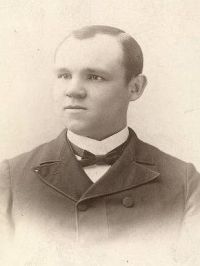
Portrait of James E. Talmage James E. Talmage Jesus the Christ — Chapter 20

Among the recorded miracles of Christ, none has elicited greater diversity in comment and in attempt at elucidation than has this marvelous instance of control over the forces of nature. Science ventures no explanation. The Lord of earth, air, and sea spoke and was obeyed. He it was who, amidst the black chaos of creation's earliest stages, had commanded with immediate effect—Let there be light; Let there be a firmament in the midst of the waters; Let the dry land appear—and, as He had decreed, so it was. The dominion of the Creator over the created is real and absolute.
Source: Wikisource

Portrait of James E. Talmage James E. Talmage Jesus the Christ — Chapter 20

Why Did Jesus Make Inquiries?—We have already considered many instances of Christ's possession of what man would call superhuman knowledge, extending even to the reading of unuttered thoughts. Some people find difficulty in reconciling this superior quality with the fact that Jesus often asked questions even on matters of minor circumstance. We should realize that even complete knowledge may not preclude the propriety of making inquiries, and, moreover, that even omniscience does not imply ever-present consciousness of all that is.
Source: Wikisource

Portrait of James E. Talmage James E. Talmage Jesus the Christ — Chapter 20

In the course of the short journey considered in this chapter, the power of Jesus as Master of earth, men and devils, was manifest in miraculous works of the most impressive kind. We cannot classify the Lord's miracles as small and great, nor as easy and difficult of accomplishment; what one may consider the least is to another of profound import. The Lord's word was sufficient in every instance. To the wind and the waves, and to the demon-ridden mind of the man possessed, He had but to speak and be obeyed.
Source: Wikisource

Get perspective with Kwize: daily news enlightened by great literature