Summary

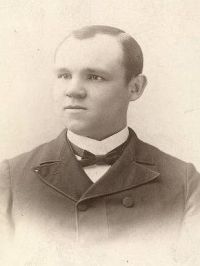
Portrait of James E. Talmage James E. Talmage,  Jesus the Christ — Chapter 40

“ Granted that men may and do create among themselves societies, associations, sects, and even "churches" if they choose so to designate their organizations; granted that they may prescribe rules, formulate laws, and devize plans of operation, discipline, and government, and that all such laws, rules, and schemes of administration are binding upon those who assume membership—granted all these rights and powers—whence can such human institutions derive the authority of the Holy Priesthood, without which there can be no Church of Christ? ”
Source: Wikisource

Portrait of James E. Talmage James E. Talmage,  Jesus the Christ — Chapter 40

“ But through the centuries of spiritual darkness men lived and died without the administration of a contemporary apostle, prophet, elder, bishop, priest, teacher, or deacon. Whatever of the form of Godliness existed in the churches of human establishment was destitute of divine power. The time foreseen by the inspired apostle had fully come—mankind in general refused to endure sound doctrine, but, having itching ears, did they heap to themselves teachers, after their own lusts, and verily had they turned away their ears from the truth to follow after fables. ”
Source: Wikisource

Portrait of James E. Talmage James E. Talmage,  Jesus the Christ — Chapter 40

“ The only organization called a church existing at that time and venturing to assert claim to authority by succession was the Catholic church, which for centuries had been apostate and wholly bereft of divine authority or recognition. If the "mother church" be without a valid priesthood, and devoid of spiritual power, how can her offspring derive from her the right to officiate in the things of God? Who would dare to affirm that man can originate a priesthood which God is bound to honor and acknowledge? ”
Source: Wikisource

Get perspective with Kwize: daily news enlightened by great literature