Summary

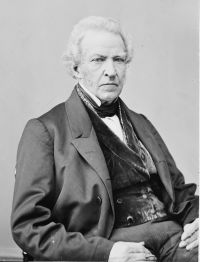
Portrait of James Moore Wayne James Moore Wayne Fenwick v. Chapman — Opinion of the Court

But what meaning shall be given to the words of the statute of Maryland, 'that no manumission hereafter to be made by last will and testament shall be effectual to give freedom to any slave or slaves, if the same 'shall be in prejudice of creditors?" It is, that the manumittor must not be insolvent; that a creditor of the testator shall not be deprived in reality of his debt, by the manumission.
Source: Wikisource

Portrait of James Moore Wayne James Moore Wayne Fenwick v. Chapman — Opinion of the Court

Can it be supposed by any one, that such provisions would have been made by the testatrix for these manumitted slaves, if it had not been her intention that they should be free at her death, at all events? We think no one will answer the inquiry in the negative. But without such assistance from a will to collect the intention of a testator, the nature of the thing directed to be done may clearly show an intention that it is to be done at all events, so as to make real estate liable for payment of debts on a deficiency of personal assets.
Source: Wikisource

Portrait of James Moore Wayne James Moore Wayne Fenwick v. Chapman — Opinion of the Court

That when a testator manumits his slaves by will and testament, and it clearly appears to have been his intention that the manumission shall take place at all events; the manifest intention, without express words, to charge the real estate, will charge the real estate for the payment of debts; if there be not personal assets enough, without the manumitted slaves, to pay the debts of the testator.
Source: Wikisource

Get perspective with Kwize: daily news enlightened by great literature