Summary

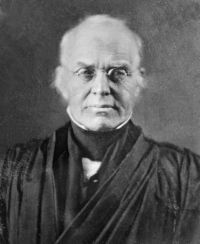
Portrait of Joseph Story Joseph Story Burwell v. Cawood — Opinion of the Court

A testator, too, directing the continuance of a partnership, may, if he so choose, bind his general assets for all the debts of the partnership contracted after his death. But he may also limit his responsibility, either to the funds already embarked in the trade, or to any specific amount to be invested therein for that purpose; and then the creditors can resort to that fund or amount only, and not to the general assets of the testators's estate, although the partner or executor, or other person carrying on the trade may be personally responsible for all the debts contracted.
Source: Wikisource

Portrait of Joseph Story Joseph Story Burwell v. Cawood — Opinion of the Court

West being, by the will, the recipient of the profits, after payment of debts and legacies, had a direct interest in the business, and having such interest, may be looked upon as a quasi partner therein, and consequently his right to the residuum of Mandeville's estate is in subordination to the paramount claims of bona fide creditors.
The essence of a partnership consists in the mutual participation of profit and loss; there can be no partnership without this.
Source: Wikisource

Portrait of Joseph Story Joseph Story Burwell v. Cawood — Opinion of the Court

If it would, then it is apparent, that all the legatees and devisees might in the event of the irretrievable and ruinous insolvency of the firm be deprived of all their legacies and devises, although the legacies were charged upon the real estate. If it would not, then it is equally apparent that the testator did not contemplate any liability of his general assets, real and personal, for the payment of any debts, excepting those which were subsisting at the time of his death. There is yet another consideration, not unimportant to be brought under review.
Source: Wikisource

Get perspective with Kwize: daily news enlightened by great literature