Summary

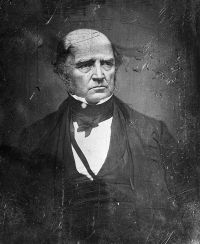
Portrait of Levi Woodbury Levi Woodbury West v. Smith (49 U.S. 402) — Opinion of the Court

No fraud or collusion is set up or proved between the parties to it, for the purpose of charging the estate. And the chief, if not only, exception to its fairness or validity is, that Gardner, the executor, did not plead the statute of limitations to a part of the claim on account, when he might have done it under the apparent time when the cause of action accrued on that item. But in Virginia, and especially if the court, by not striking out the item, sanction a waiver of the statute, as is inferred to have been done here, the executor seems fully justified in not pleading it.
Source: Wikisource

Portrait of Levi Woodbury Levi Woodbury West v. Smith (49 U.S. 402) — Opinion of the Court

In May, 1839, Ellen Mandeville filed her bill in the Circuit Court, (to which suit her husband, Smith, afterwards became a party,) charging the making and publication of the will, the bequest to herself and others of certain legacies, which in default of personal assets were chargeable upon the real estate, the death of the testator, and the deficiency of personal assets; and praying a sale of lands for the satisfaction of her legacy. To this bill, all the other pecuniary legatees, the residuary devisee, West, and the executor of Mandeville, were made defendants.
Source: Wikisource

Get perspective with Kwize: daily news enlightened by great literature