Summary

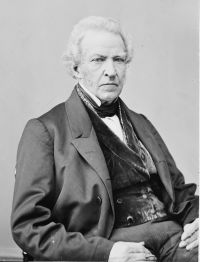
Portrait of James Moore Wayne James Moore Wayne McKinlay v. Morrish — Opinion of the Court

Indeed, it appears to us that all of the witnesses who said so, did it rather by way of inference from the caulking which another witness said had been done to the ship, and from the condition in which the soap was, than from an examination of the ship. The witness Goodsell, more relied upon than any other witness to prove the leaks in the deck, does not do so satisfactorily from the usual examination made by shipwrights when they are called upon to ascertain such a fact.
Source: Wikisource

Portrait of James Moore Wayne James Moore Wayne McKinlay v. Morrish — Opinion of the Court

When litigants make their case in express allegations and by express denials of them, and then introduce testimony inapplicable to the issues they have made, it is not a part of the case, unless as it shall inferentially bear upon other evidence properly in it, upon which the parties rely for the determination of their controversy. This case furnishes as apt an illustration of the rule just mentioned as can be given. The libellants put their case upon bad and careless stowage, &c., of the soap, and upon leaks in the deck of the ship, through which water passed and damaged it.
Source: Wikisource

Portrait of James Moore Wayne James Moore Wayne McKinlay v. Morrish — Opinion of the Court

The devaporation of water from the vapor of the soap itself, with which it is cleansed in the making, heated by the sweat of the ship, would be concentrated in the boxes, upon the soap, and would discolor it and make it damp, without any sensible diminution of its weight; and we are confirmed in this conclusion by the witnesses who examined and weighed it, having testified that the boxes were of the same weight marked upon them when they were shipped at Liverpool.
Source: Wikisource

Get perspective with Kwize: daily news enlightened by great literature