Summary

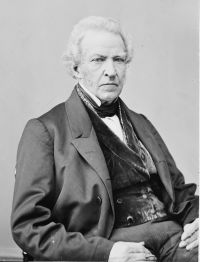
Portrait of James Moore Wayne James Moore Wayne Oldfield v. Marriott — Opinion of the Court

The natural advantages of the United States, the value of our productions, and the wars in Europe aiding the consumption of them, were constantly overcoming foreign exclusions, and kept us forbearing, if not always in good temper. In fact, except discriminating duties upon tonnage in favor of our vessels, to countervail such as all the nations of Europe had imposed in favor of their own ships,-several of them intended to bear particularly upon American commerce,-our legislation was, up to that time, and for twenty years afterwards, exempt from every interference with a free navigation.
Source: Wikisource

Portrait of James Moore Wayne James Moore Wayne Oldfield v. Marriott — Opinion of the Court

Discriminating duties were never laid by Congress, except they were retaliatory, and for the purpose of coercing other nations to a modification or repeal of their restrictions upon commerce and navigation. The leading point and constantly avowed intention of the United States have been, to produce that reciprocity of trade for the vessels of different nations which had been denied by the nations of Europe for more than two hundred years.
Source: Wikisource

Portrait of James Moore Wayne James Moore Wayne Oldfield v. Marriott — Opinion of the Court

This result awakened the American people to the full extent of their actual and prospective commercial condition. Greater efforts were made to get the states to pass connectively countervailing restrictions. They were urged to do so by every argument which could be drawn from these foreign restraints upon commerce which had already pressed the known enterprise of the American people almost into inaction,-by all that aggravation of commercial distress which would inevitably follow from the legislation of Great Britain it respect to American commerce since 1783, unless it was resisted.
Source: Wikisource

Get perspective with Kwize: daily news enlightened by great literature