Summary

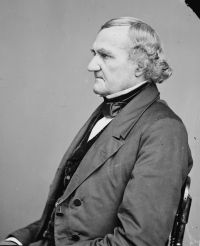
Portrait of John Catron John Catron Armstrong v. Treasurer of Athens County…

The tenants of the University, for twenty years, made their own contracts, and were bound to pay the ordinary taxes levied on the inhabitants of Ohio, not into the state treasury, but into that of the University. Every change in the general laws in regard to the revenue bound them; as the value of real estate increased, and taxes were imposed in addition to previous burdens, to such an extent, the corporation of the University added to the rent of its tenants. The lands not leased continued exempt from taxation, on the fair supposition that they brought no income, and could bear no burdens.
Source: Wikisource

Portrait of John Catron John Catron Armstrong v. Treasurer of Athens County…

By the 17th section of the act of the assembly of Ohio, passed February 1804, entitled, 'an act establishing a University in the town of Athens,' it is declared, 'that the lands in the two townships aforesaid, with the buildings which are or may be erected thereon, shall be for ever exempt from all state taxes.' The bill asserted, that the lands were purchased from the president and trustees of the University, in the full faith and confidence, that the same would remain for ever and exempt from all taxes for state purposes.
Source: Wikisource

Portrait of John Catron John Catron Armstrong v. Treasurer of Athens County…

This act of assembly contained no exemption from the payment of taxes, after the sale. In 1803, the Indian tribe sold to Wilson and others; and the commissioners appointed by order of the legislature conveyed, for and on behalf of the Indians, to the purchasers. On the foregoing state of facts, it was held by this court, that the purchasers being in under the first grant of 1758, to the Indian tribe, were equally entitled to its benefits; and that no taxes could be levied on the land. The soundness of the decision we think undoubted.
Source: Wikisource

Get perspective with Kwize: daily news enlightened by great literature