Summary

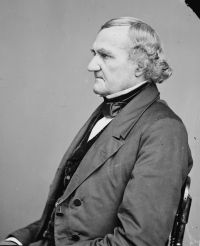
Portrait of John Catron John Catron In re Thomas Kaine an Alleged Fugitive from Great Britain…

The assumption of power to arrest, imprison, and extrude, on executive warrants, and the employment of a judicial magistrate to act in obedience to the President's commands, where no independence existed, or could exist, had most materially aided to overthrow the administration of a distinguished revolutionary patriot, whose honesty of purpose no fair-minded man at this day doubts.
Source: Wikisource

Portrait of John Catron John Catron In re Thomas Kaine an Alleged Fugitive from Great Britain…

The treaty with Great Britain is equally binding on us as the act of Congress, and it likewise confers jurisdiction and authority on the judges and magistrates of the respective governments, to issue warrants for the apprehension of fugitives; and for hearing and considering the evidence produced against them; and also provides, that the committing magistrate shall certify as to the sufficiency of the evidence, to the executive authority, so that a warrant of surrender may issue.
Source: Wikisource

Portrait of John Catron John Catron In re Thomas Kaine an Alleged Fugitive from Great Britain…

Public opinion had settled down to a firm resolve, long before the treaty of 1842 was made, that so dangerous an engine of oppression as secret proceedings before the executive, and the issuing of secret warrants of arrest, founded on them, and long imprisonments inflicted under such warrants, and then, an extradition without an unbiased hearing before an independent judiciary, were highly dangerous to liberty, and ought never to be allowed in this country.
Source: Wikisource

Get perspective with Kwize: daily news enlightened by great literature