Summary

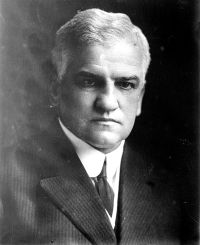
Portrait of John Hessin Clarke John Hessin Clarke Union Pacific Company v. Huxoll…

The engineer did not see the deceased at the moment he was struck, and it is argued that there is no substantial evidence to show how much farther the engine ran after he was notified of the accident than it would have run if the power brake had been properly applied, or that the running of the engine such distance, whatever it may have been, added anything to the injuries of the deceased and so contributed to cause his death.
Source: Wikisource

Portrait of John Hessin Clarke John Hessin Clarke Union Pacific Company v. Huxoll…

There is conflict in the evidence; as to the speed at which the engine was moving when it entered the cloud of steam and smoke, the estimates vary from 3 miles to 10 miles an hour; a to the distance within which the engine with the power brake properly working could have been stopped under the conditions which existed at the time of the accident, the estimates vary from 'almost instantly'-8 to 10 feet-to 40 feet
Source: Wikisource

Portrait of John Hessin Clarke John Hessin Clarke Union Pacific Company v. Huxoll…

It is significant that the men who were there, with all of the conditions before their eyes, thought that further movement, even the slightest, of the engine, would result in further injury to the deceased and that, for this reason, they would not permit it to be moved at all, but thought it necessary to remove the brakerods in order to release him, even though this required that he be exposed to the cold in much below zero weather for 45 minutes.
Source: Wikisource

Get perspective with Kwize: daily news enlightened by great literature