Summary

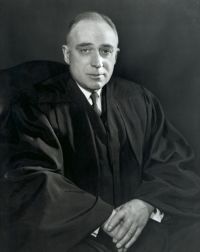
Portrait of John Marshall Harlan II John Marshall Harlan II Boddie v. Connecticut — Opinion of the Court

Thus, although they assert here due process rights as would-be plaintiffs, we think appellants' plight, because resort to the state courts is the only avenue to dissolution of their marriages, is akin to that of defendants faced with exclusion from the only forum effectively empowered to settle their disputes. Resort to the judicial process by these plaintiffs is no more voluntary in a realistic sense than that of the defendant called upon to defend his interests in court. For both groups this process is not only the paramount dispute-settlement technique, but, in fact, the only available one.
Source: Wikisource

Portrait of John Marshall Harlan II John Marshall Harlan II Boddie v. Connecticut — Opinion of the Court

Put more succinctly, it is this injection of the rule of law that allows society to reap the benefits of rejecting what political theorists call the 'state of nature.' American society, of course, bottoms its systematic definition of individual rights and duties, as well as its machinery for dispute settlement, not on custom or the will of strategically placed individuals, but on the common-law model.
Source: Wikisource

Portrait of John Marshall Harlan II John Marshall Harlan II Boddie v. Connecticut — Opinion of the Court

Indeed, private structuring of individual relationships and repair of their breach is largely encouraged in American life, subject only to the caveat that the formal judicial process, if resorted to, is paramount. Thus, this Court has seldom been asked to view access to the courts as an element of due process. The legitimacy of the State's monopoly over techniques of final dispute settlement, even where some are denied access to its use, stands unimpaired where recognized, effective alternatives for the adjustment of differences remain.
Source: Wikisource

Get perspective with Kwize: daily news enlightened by great literature