Summary

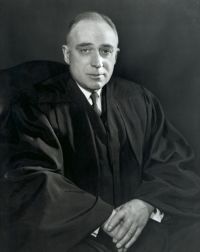
Portrait of John Marshall Harlan II John Marshall Harlan II Commissioner of Internal Revenue v…

Instead of leaping from this premise to the conclusion that there was no sale or exchange, the Government might more profitably have broken the transaction into components and attempted to distinguish between the interest which respondents retained and the interest which they exchanged. The worth of a business depends upon its ability to produce income over time. What respondents gave up was not the entire business, but only their interest in the business' ability to produce income in excess of that which was necessary to pay them off under the terms of the transaction.
Source: Wikisource

Portrait of John Marshall Harlan II John Marshall Harlan II Commissioner of Internal Revenue v…

Were it not for the tax laws, the respondents' transaction with the Institute would make no sense, except as one arising from a charitable impulse. However the tax laws exist as an economic reality in the businessman's world, much like the existence of a competitor. Businessmen plan their affairs around both, and a tax dollar is just as real as one derived from any other source. The Code gives the Institute a tax exemption which makes it capable of taking a greater after-tax return from a business than could a non-tax-exempt individual or corporation.
Source: Wikisource

Get perspective with Kwize: daily news enlightened by great literature