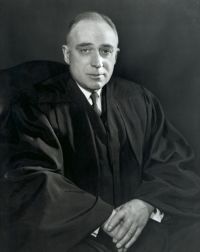
John Marshall Harlan II

John Marshall Harlan II

Summary

Portrait of John Marshall Harlan II John Marshall Harlan II Lehigh Valley Cooperative Farmers…

Producers in the marketing area, whose 'blend price' depends on how much of the relatively constant fluid-milk demand they supply in a given month, may find the outside milk occupying a portion of the premium market, thus displacing the 'pool' milk and forcing it into the less rewarding surplus uses, with the ultimate effect of diminishing the 'blend price' payable to producers.
Source: Wikisource

Portrait of John Marshall Harlan II John Marshall Harlan II Lehigh Valley Cooperative Farmers…

In addition, the Government contends that the petitioners had the choice of joining the market-wide pool, in which case they would not have been subject to the compensatory payment provisions. Their election to stay out of the pool, it is argued, bars any attack on the consequences of their choice. However, such an 'election' is surely illusory. The consequences of joining the pool would have been that petitioners would have been forced to pay the 'blend price' to all their producers wherever located and account to the Producer Settlement Fund for all milk wherever sold.
Source: Wikisource

Portrait of John Marshall Harlan II John Marshall Harlan II Lehigh Valley Cooperative Farmers…

Petitioners, operating milk processing plants in Pennsylvania, challenge the validity of certain 'compensatory payment' provisions included in milk marketing orders affecting the New York-New Jersey area, which were promulgated by the Secretary of Agriculture under the authority granted him by § 8c of the Agricultural Marketing Agreement Act of 1937, 7 U.S.C. § 608c, 7 U.S.C.A. § 608c. That section permits the Secretary to issue regional regulations governing, in various enumerated respects, the marketing of certain agricultural commodities, among which is milk.
Source: Wikisource

Get perspective with Kwize: daily news enlightened by great literature