Summary

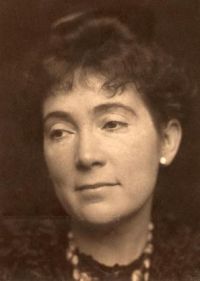
Portrait of John Oliver Hobbes John Oliver Hobbes The Annotated The Tales of John Oliver Hobbes… (1894)

And death is not the only veil: sometimes our own folly . . . and when we have only our own folly to blame it — it is so hopeless and so much harder to bear than———" Where was his fluency? his command of language? Could it be that as thoughts became real, words grew meaningless?
"We — that is Jane and I — grew up together," he went on; "we are not related, but it always seemed as though we were. I don't mean to say that we were like brother and sister, but———"
"I understand," said Sophia, eagerly," it is the same with Wrath and myself.
Source: Wikisource

Portrait of John Oliver Hobbes John Oliver Hobbes The Annotated The Tales of John Oliver Hobbes… (1894)

Such is the magnanimity of the wise gander [3] in his judgment of the endearing, if inconsequential, goose [4] .
"Do not think," he said, " that I fail to appreciate your courage. You are only too dauntless! You do not see the dangers which would appal a — a more ordinary mortal. Oddly enough, after you had left the drawing-room last night Wrath said he had hoped to paint you as Alcestis [5] — the ideal, courageous woman, you know, who died in her husband's stead."
"Oh!" said Sophia, faintly, "what — what else did he say?"
Source: Wikisource

Get perspective with Kwize: daily news enlightened by great literature