Summary

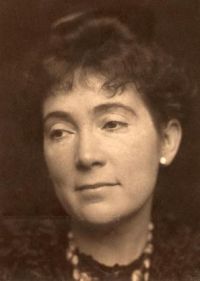
Portrait of John Oliver Hobbes John Oliver Hobbes The Annotated The Tales of John Oliver Hobbes… (1894)

When a man gets an idea into his head about a woman, either to her glory or her damnation, whatever she may say or do only gives him one more reason for sticking to it. It is only when he gets an equally strong idea about some other subject, or some other woman, that he becomes nicely critical. Eleanor's virtues had always seemed to him unique
Source: Wikisource

Portrait of John Oliver Hobbes John Oliver Hobbes The Annotated The Tales of John Oliver Hobbes… (1894)

He himself was a man about fifty, with a clean-shaven face and handsome clearly-cut features. The ends of his pale yellow necktie were tied with artistic abandon, his short serge coat was of the finest texture, and his loose trousers, of the same material, hung with an idea of drapery about his elegant legs. He wore the self-satisfied air of the criticised turned critic; his general expression conveyed that life was one long struggle with his own fastidiousness—that he practised toleration as the saints did self-denial.
Source: Wikisource

Portrait of John Oliver Hobbes John Oliver Hobbes The Annotated The Tales of John Oliver Hobbes… (1894)

No man can attain the sublimity of the feminine egoist. Frivolity! Egoism! what were such abstracts weighed against that most sweet and tangible Feminine. To have discovered that some woman was Feminine was better than chasing the Absolute through the Libraries of Europe. It was, however, but a momentary rebellion against the ruling Uncertainty of his life. He had dedicated his days (he lived, from his own point of view, for two hours every morning before breakfast, and Eleanor) to the pursuit of the Absolute.
Source: Wikisource

Get perspective with Kwize: daily news enlightened by great literature