Summary

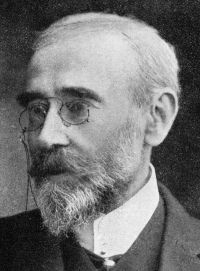
Portrait of John Payne John Payne The Book of the Thousand Nights and One Night (1901)

Let beneficence and the world say adieu to the glory of the Barmecides. By Allah, O son of Yehya, but for fear of spies and of the Khalif’s eye, which sleeps not, we should compass thy gibbet [like the Kaabeh] and kiss it as men kiss the Sacred Stone!” “On seeing the sword fall on Jaafer,” says Dibil el Khuzaï, “and hearing the Khalif’s crier proclaim vengeance on Yehya, I wept for the world and felt how true it is that the goal of man’s life is the quitting it.” And indeed it would be hard to name a poet of the day who did not tune his lyre to the same sorrowful strain.
Source: Wikisource

Portrait of John Payne John Payne The Book of the Thousand Nights and One Night (1901)

No contemporary historian or poet can name them without breaking out into passionate praise of their nobleness and as passionate lament for their unmerited fate. “Alas for the sons of Bermek,” cries Salih ben Tarif, “and the happy days of their power! With them the world was as a bride; but now it is widowed and bereft of its children.” “The Barmecides,” says Fekhreddin Razi, “were to their time as a plume to the brow, as a crown to the head. The world was requickened under their administration and the empire carried to the highest pinnacle of splendour.
Source: Wikisource

Portrait of John Payne John Payne The Book of the Thousand Nights and One Night (1901)

Kindly, generous and charitable to excess and at the same time a firm, just and far-sighted administrator, he was passionately beloved by the people of Baghdad, whose miseries he spared no pains to alleviate and whose general prosperity may, in no small degree, be attributed to the untiring courage and self-sacrifice with which he was always ready to shield them, to the utmost of his power, from the ferocity and rapacity of his royal master.
Source: Wikisource

Get perspective with Kwize: daily news enlightened by great literature