“ The reckless, hot-headed George Villiers, duke of Buckingham, visited the French court to arrange terms of marriage between Henrietta Maria, sister of Louis XIII., and the Prince of Wales, son of James I. of England. He was what is called a splendid man, of noble bearing, and of chivalric devotion to the fair. The duke, boundlessly rich, displayed great magnificence in Paris. He danced with the queen, fascinated her by his openly avowed admiration, and won such smiles in return as to induce the king and Cardinal Richelieu almost to gnash their teeth with rage. ”
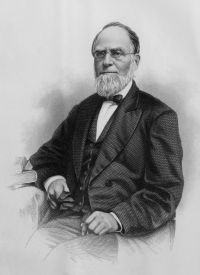
John S. C. Abbott
Summary
John S. C. Abbott’s Louis XIV examines the reign and court of the Sun King through the lens of political maneuvering, royal relationships, and the magnificence of Versailles. Focusing on Louis XIV’s rule, the work explores the tensions between monarch and courtiers, the personal struggles of queens like Maria Theresa and Mary Mancini, and the lavish yet isolating world of the French court.
Themes of grandeur, authority, and emotional conflict emerge through vivid depictions of celebrations, secret romances, and the weight of royal obligation. Abbott’s narrative underscores how the king’s absolutism shaped both his legacy and the lives entangled within his court.
Quotes from Louis XIV (John S. C. Abbott)
“ The news was too good to be kept till morning. M. Villeroi, to whom it was at first communicated, hastened to the chamber of the king and the Duke of Anjou, to awake them from sleep and inform them of the victory. They both, Laporte informs us, sprang from their beds, and rushed, in their slippers, night caps, and dressing-gowns, to the chamber of the cardinal, whom they awakened with the joyful tidings. He hurried in his turn with them, and in the same unsophisticated costume, to the chamber of the queen, to announce the intelligence to her. ”
“ Accompanied by her two sisters, and with suitable attendants, she set forth on her sad journey. All France was rejoicing over the royal marriage, and as her carriage rapidly approached Paris, every hour pierced her heart with a new pang. With all the fortitude she could summon, she could not retain the roseate glow of health and happiness. Her cheeks were pale and emaciate, and her forced smile only proclaimed more loudly the grief which was consuming her heart. She alighted at the new palace of her uncle, Cardinal Mazarin, and hastily retired to her apartment. ”
