Summary

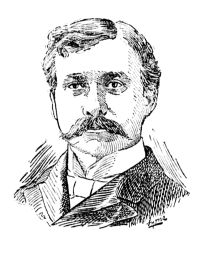
Portrait of Joseph K. Dixon Joseph K. Dixon The Vanishing Race: The Last Great Indian Council

The door of the Indian's yesterdays opens to a new world—a world unpeopled with red men, but whose population fills the sky, the plains, with sad and spectre-like memories—with the flutter of unseen eagle pinions. A land without the tall and sombre figure worshipping the Great Mystery; without suns and snows and storms—without the scars of battle, swinging war club, and flashing arrow—a strange, weird world, holding an unconquered race, vanquished before the ruthless tread of superior forces—we call them the agents of civilization.
Source: Gutenberg

Portrait of Joseph K. Dixon Joseph K. Dixon The Vanishing Race: The Last Great Indian Council

Had the Indian the combined soul of these masters in music, could he cull from symphony and oratorio and requiem and dirge the master notes that have thrilled and inspired the ages, he then would falter at the edge of his task in an attempt to register the burden of his lament, and utter for the generations of men the requiem wrought out during these moments of passion—a passion of sorrow so sad that the voice of it must ride through the width of the sky, and conquer the thunder of the fiercest tempest. The orchestral grandeur of the world's great composers is the child of genius.
Source: Gutenberg

Portrait of Joseph K. Dixon Joseph K. Dixon The Vanishing Race: The Last Great Indian Council

The remnant of a race have gathered for shelter within the sacred walls of their council lodge. The ashes of the council pipe have been scattered upon the ground. In silence, deep, profound, awe-inspiring, the old Indian guard—the Last of the Great Chiefs—break not the silence. Who can ask death to retreat? And who put in shackles the decrees of destiny? The world annals contain no heroism and no bravery more lofty and enduring than that furnished by the record of the red man.
Source: Gutenberg

Get perspective with Kwize: daily news enlightened by great literature