Summary

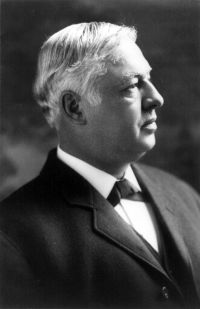
Portrait of Joseph Rucker Lamar Joseph Rucker Lamar Henry v. Henkel — Opinion of the Court

For otherwise the 'habeas corpus courts could thereby draw to themselves, in the first instance, the control of all prosecutions in state and Federal courts.' To establish a general rule that the courts on habeas corpus, and in advance of trial, should determine every jurisdictional question, would interfere with the administration of the criminal law and afford a means by which, with the existing right of appeal, delay could be secured when the Constitution contemplates that there shall be a speedy trial, both in the interest of the public, and as a right to the defendant.
Source: Wikisource

Portrait of Joseph Rucker Lamar Joseph Rucker Lamar Henry v. Henkel — Opinion of the Court

The cases cited do not, of course, lead to the conclusion that a citizen can be held in custody or removed for trial where there was no provision of the common law or statute making an offense of the acts charged. In such case the committing court would have no jurisdiction, the prisoner would be in custody without warrant of law, and therefore entitled to his discharge.
Source: Wikisource

Portrait of Joseph Rucker Lamar Joseph Rucker Lamar Henry v. Henkel — Opinion of the Court

If the objections are sustained or if the defendant is acquitted, he will be discharged. If they are overruled and he is convicted, he has his right of review (Kaizo v. Henry, 211 U.S. 148, 53 L. ed. 125, 29 Sup. Ct. Rep. 41) . The rule is the same whether he is committed for trial in a court within the district, or held under a warrant of removal to another state. He cannot, in either case, anticipate the regular course of proceeding by alleging a want of jurisdiction, and demanding a ruling thereon in habeas corpus proceedings.
Source: Wikisource

Get perspective with Kwize: daily news enlightened by great literature