Summary

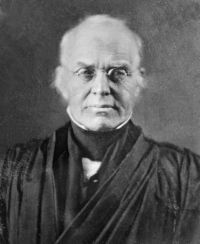
Portrait of Joseph Story Joseph Story Mandeville v. Riggs — Opinion of the Court

One of the great principles upon which courts of equity generally require all parties who are known, and within the reach of its jurisdiction, to be made parties, is to prevent future litigation, and to take away multiplicity of suits. It is a matter of justice, as well as of convenience, that all the parties who are ultimately liable to contribution, should, when practicable, be brought before the court, so that the equities between them may be adjusted, as well as the right of the plaintiff.
Source: Wikisource

Portrait of Joseph Story Joseph Story Mandeville v. Riggs — Opinion of the Court

This reasoning applies with far more force to the dismissal of the bill as to the defendants, who were before the court, and who were liable to a decree as stockholders. It is a positive injury to the defendants, who are charged by the decree, not only as to their immediate responsibility, but as to the means and proofs of contribution. The decree of dismissal, so far from aiding the other defendants, puts then to the absolute necessity of instituting a new suit for contribution, and to establish every step in its progress by plenary evidence.
Source: Wikisource

Get perspective with Kwize: daily news enlightened by great literature