Summary

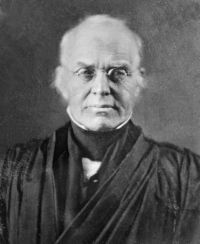
Portrait of Joseph Story Joseph Story Owings v. Hull — Opinion of the Court

It is manifest by the act of sale, that West supposed himself to be acting within the terms of, and according to his instructions, as contained in the letter of attorney to him of the 30th of January 1816. And it is no fault on the part of the plaintiff, if West did not conform himself to his instructions. He was the agent of the defendants, and not of the plaintiff. But whether he did, or did not so conform himself, in the sale of the slaves; every thing which he did do in regard to that sale, was known and acquiesced in, and ratified by the defendants.
Source: Wikisource

Portrait of Joseph Story Joseph Story Owings v. Hull — Opinion of the Court

That the record from New Orleans was legal and competent evidence to prove the recovery of the slaves by a paramount title. The record is relied on for this purpose only; and, if such judicial recovery is not the only legal evidence to establish such a fact, it is clearly the most proper and conclusive evidence.
To the demand for a restoration of the slaves, the purchaser drives the party claiming to a suit and the defendants have notice of its pendency; their agent and attorney at New Orleans is a witness in the cause; it is decided against the purchaser
Source: Wikisource

Get perspective with Kwize: daily news enlightened by great literature