Summary

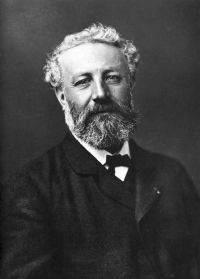
Portrait of Jules Verne Jules Verne 20,000 Leagues Under the Seas… (1870)

In every big city the monster was the latest rage; they sang about it in the coffee houses, they ridiculed it in the newspapers, they dramatized it in the theaters. The tabloids found it a fine opportunity for hatching all sorts of hoaxes. In those newspapers short of copy, you saw the reappearance of every gigantic imaginary creature, from "Moby Dick," that dreadful white whale from the High Arctic regions, to the stupendous kraken whose tentacles could entwine a 500-ton craft and drag it into the ocean depths.
Source: Wikisource

Portrait of Jules Verne Jules Verne 20,000 Leagues Under the Seas… (1870)

An interminable debate then broke out between believers and skeptics in the scholarly societies and scientific journals. The "monster question" inflamed all minds. During this memorable campaign, journalists making a profession of science battled with those making a profession of wit, spilling waves of ink and some of them even two or three drops of blood, since they went from sea serpents to the most offensive personal remarks.
Source: Wikisource

Portrait of Jules Verne Jules Verne 20,000 Leagues Under the Seas… (1870)

When the monster's detractors cited a saying by the botanist Linnaeus that "nature doesn't make leaps," witty writers in the popular periodicals parodied it, maintaining in essence that "nature doesn't make lunatics," and ordering their contemporaries never to give the lie to nature by believing in krakens, sea serpents, "Moby Dicks," and other all-out efforts from drunken seamen.
Source: Wikisource

Get perspective with Kwize: daily news enlightened by great literature