Summary

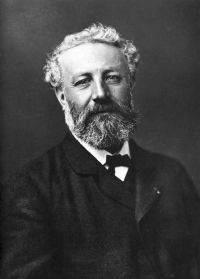
Portrait of Jules Verne Jules Verne In Search of the Castaways; or Captain Grant's Children… (1911)

You don't believe a man could be happy on a desert island?"
"I do not. Man is made for society and not for solitude, and solitude can only engender despair. It is a question of time. At the outset it is quite possible that material wants and the very necessities of existence may engross the poor shipwrecked fellow, just snatched from the waves; but afterward, when he feels himself alone, far from his fellow men, without any hope of seeing country and friends again, what must he think, what must he suffer? His little island is all his world.
Source: Wikisource

Portrait of Jules Verne Jules Verne In Search of the Castaways; or Captain Grant's Children… (1911)

In the steppes of Siberia, in the plains of Central Asia, in the deserts of Africa, in the prairies of America, in the immense wilds of Australia, in the icy solitudes of the Poles, man scarcely dares to venture; the most daring shrinks back, the most courageous succumbs. They cannot penetrate them; the means of transport are insufficient, and the heat and disease, and savage disposition of the natives, are impassable obstacles. Twenty miles of desert separate men more than five hundred miles of ocean.
Source: Wikisource

Portrait of Jules Verne Jules Verne In Search of the Castaways; or Captain Grant's Children… (1911)

The whole human race is shut up in himself, and when death comes, which utter loneliness will make terrible, he will be like the last man on the last day of the world. Believe me, Monsieur Paganel, such a man is not to be envied."
Paganel gave in, though regretfully, to the arguments of Lady Helena, and still kept up a discussion on the advantages and disadvantages of Isolation, till the very moment the DUNCAN dropped anchor about a mile off Amsterdam Island.
Source: Wikisource

Get perspective with Kwize: daily news enlightened by great literature