Summary

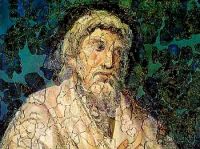
Portrait of Lactantius Lactantius Ante-Nicene Fathers Vol. VII, The Divine Institutes… (1885)

That does not constitute the chief good: for all cannot reign, but it is necessary that all should be capable of attaining the chief good.
Let us therefore seek something which is held forth to all. Is it virtue? It cannot be denied that virtue is a good, and undoubtedly a good for all men. But if it cannot be happy because its power and nature consist in the endurance of evil, it assuredly is not the chief good. Let us seek something else. But nothing can be found more beautiful than virtue, nothing more worthy of a wise man.
Source: Wikisource

Portrait of Lactantius Lactantius Ante-Nicene Fathers Vol. VII, The Divine Institutes… (1885)

But all these things are not contained in virtue itself, but depend upon the opinion and judgment of others. For virtue is often hated and visited with evil. But the good which arises from it ought to be so closely united with it as to be incapable of being separated or disunited from it; and it cannot appear to be the chief good in any other way than if it belongs peculiarly to virtue, and is such that nothing can be added to it or taken from it. Why should I say that the duties of virtue consist in the despising of all these things?
Source: Wikisource

Portrait of Lactantius Lactantius Ante-Nicene Fathers Vol. VII, The Divine Institutes… (1885)

For if vices are to be avoided on account of their deformity, virtue is therefore to be desired on account of its beauty. What then? Can it be that that which is admitted to be good and honourable should be requited with no reward, and be so unproductive as to procure no advantage from itself? That great labour and difficulty and struggling against evils with which this life is filled, must of necessity produce some great good.
Source: Wikisource

Get perspective with Kwize: daily news enlightened by great literature