Summary

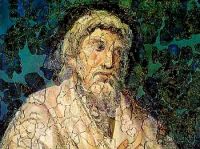
Portrait of Lactantius Lactantius Ante-Nicene Fathers Vol. VII, The Divine Institutes… (1885)

What distinction, then, will be given to man, if his chief good is judged to be common with the beasts? Zeno thought that the chief good was to live agreeably to nature. But this definition is a general one. For all animals live agreeably to nature, and each has its own nature.
Epicurus maintained that it was pleasure of the soul. What is pleasure of the soul but joy, in which the soul for the most part luxuriates, and unbends itself either to sport or to laughter? But this good befalls even dumb animals, which, when they are satisfied with pasture, relax themselves to joy and wantonness.
Source: Wikisource

Portrait of Lactantius Lactantius Ante-Nicene Fathers Vol. VII, The Divine Institutes… (1885)

The Peripatetics make up the chief good of goods of the soul, and body, and fortune. The goods of the soul may be approved of; but if they require assistance for the completion of happiness, they are plainly weak. But the goods of the body and of fortune are not in the power of man; nor is that now the chief good which is assigned to the body, or to things placed without us, because this double good extends even to the cattle, which have need of being well, and of a due supply of food. The Stoics are believed to have entertained much better views, who said that virtue was the chief good.
Source: Wikisource

Get perspective with Kwize: daily news enlightened by great literature