Summary

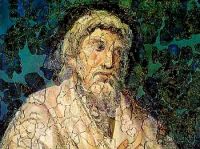
Portrait of Lactantius Lactantius Ante-Nicene Fathers Vol. VII, The Divine Institutes… (1885)

If to the causes of natural things, what happiness will be proposed to me, if I shall know the sources of the Nile, or the vain dreams of the natural philosophers respecting the heaven? Why should I mention that on these subjects there is no knowledge, but mere conjecture, which varies according to the abilities of men? It only remains that the knowledge of good and evil things is the chief good. Why, then, did he call knowledge the chief good more than wisdom, when both words have the same signification and meaning?
Source: Wikisource

Portrait of Lactantius Lactantius Ante-Nicene Fathers Vol. VII, The Divine Institutes… (1885)

Shall we cast aside virtue because it is judged to be base and disgraceful by the foolish? And since it is capable of being oppressed and harassed, in order that it may be of itself a peculiar and lasting good, it ought to stand in need of no outward assistance, so as not to depend by itself upon its own strength, and to remain stedfast. And thus no good is to be hoped by it from man, nor is any evil to be refused.
Source: Wikisource

Portrait of Lactantius Lactantius Ante-Nicene Fathers Vol. VII, The Divine Institutes… (1885)

But they, since they were ignorant of the effects and tendency of virtue, and could discover nothing more honourable, stopped at the very name of virtue, and said that it ought to be sought, though no advantage was proposed from it; and thus they fixed for themselves a good which itself stood in need of a good. From these Aristotle was not far removed, who thought that virtue together with honour was the chief good; as though it were possible for any virtue to exist unless it were honourable, and as though it would not cease to be virtue if it had any measure of disgrace.
Source: Wikisource

Get perspective with Kwize: daily news enlightened by great literature