Summary

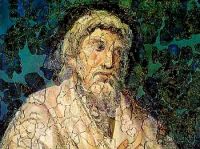
Portrait of Lactantius Lactantius Ante-Nicene Fathers Vol. VII, The Divine Institutes… (1885)

Whoever, then, has gained for his country these goods—as they themselves call them—that is, who by the overthrow of cities and the destruction of nations has filled the treasury with money, has taken lands and enriched his country-men—he is extolled with praises to the heaven: in him there is said to be the greatest and perfect virtue. And this is the error not only of the people and the ignorant, but also of philosophers, who even give precepts for injustice, lest folly and wickedness should be wanting in discipline and authority.
Source: Wikisource

Portrait of Lactantius Lactantius Ante-Nicene Fathers Vol. VII, The Divine Institutes… (1885)

But virtue of this kind is not proposed to the wise man; for it is not virtue to seek riches, of which neither the finding nor the possession is in our power: therefore they are more easy to be gained and to be retained by the bad than by the good. Virtue, then, cannot consist in the seeking of those things in the despising of which the force and purport of virtue appears
Source: Wikisource

Portrait of Lactantius Lactantius Ante-Nicene Fathers Vol. VII, The Divine Institutes… (1885)

But when they have begun to attain to their purpose and their wish in reaching the highest step of power, then, truly laying aside pretence, these men discover their character; they seize upon everything, and offer violence, and lay waste; and they press upon the good themselves, whose cause they had undertaken; and they cut away the steps by which they mounted, that no one may be able to imitate them against themselves. But, however, let us suppose that this duty of defending the good belongs only to the good man.
Source: Wikisource

Get perspective with Kwize: daily news enlightened by great literature