Summary

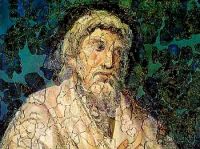
Portrait of Lactantius Lactantius Ante-Nicene Fathers Vol. VII, The Divine Institutes… (1885)

Therefore, of all the philosophers, those who have embraced either knowledge or virtue as the chief good, have kept the way of truth, but have not arrived at perfection. For these are the two things which together make up that which is sought for. Knowledge causes us to know by what means and to what end we must attain; virtue causes us to attain to it. The one without the other is of no avail; for from knowledge arises virtue, and from virtue the chief good is produced.
Source: Wikisource

Portrait of Lactantius Lactantius Ante-Nicene Fathers Vol. VII, The Divine Institutes… (1885)

For if virtue despises opulence and riches because they are frail, and pleasures because they are of brief continuance, it therefore despises a life which is frail and brief, that it may obtain one which is substantial and lasting. Therefore reflection itself, advancing by regular order, and weighing everything, leads us to that excellent and surpassing good, on account of which we are born. And if philosophers had thus acted, if they had not preferred obstinately to maintain that which they had once apprehended, they would undoubtedly have arrived at this truth, as I have lately shown.
Source: Wikisource

Portrait of Lactantius Lactantius Ante-Nicene Fathers Vol. VII, The Divine Institutes… (1885)

In this one thing alone can we be happy in this life, if we appear to be unhappy; if, avoiding the enticements of pleasures, and giving ourselves to the service of virtue only, we live in all labours and miseries, which are the means of exercising and strengthening virtue; if, in short, we keep to that rugged and difficult path which has been opened for us to happiness. The chief good therefore which makes men happy cannot exist, unless it be in that religion and doctrine to which is annexed the hope of immortality.
Source: Wikisource

Get perspective with Kwize: daily news enlightened by great literature