Summary

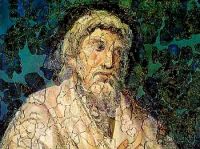
Portrait of Lactantius Lactantius Ante-Nicene Fathers Vol. VII, The Divine Institutes… (1885)

Therefore I do not see why, since it is reckoned the highest glory to die for friendship and for one’s word, it is not glorious to a man to die even for his innocence. They are therefore most foolish who impute it as a crime to us that we are willing to die for God, when they themselves extol to the heavens with the highest praises him who was willing to die for a man. In short, to conclude this disputation, reason itself teaches that it is impossible for a man to be at once just and foolish, wise and unjust.
Source: Wikisource

Portrait of Lactantius Lactantius Ante-Nicene Fathers Vol. VII, The Divine Institutes… (1885)

But let us grant that the case which the philosopher proposes is possible: what, then, will the just man do, if he shall have met with a wounded man on a horse, or a shipwrecked man on a plank? I am not unwilling to confess he will rather die than put another to death. Nor will justice, which is the chief good of man, on this account receive the name of folly. For what ought to be better and dearer to man than innocence?
Source: Wikisource

Portrait of Lactantius Lactantius Ante-Nicene Fathers Vol. VII, The Divine Institutes… (1885)

But it is evident that they who are ignorant of the mystery [2] of man, and who therefore refer all things to this present life, cannot know how great is the force of justice. For when they discuss the subject of virtue, although they understand that it is very full of labours and miseries, nevertheless they say that it is to be sought for its own sake; for they by no means see its rewards, which are eternal and immortal. Thus, by referring all things to the present life, they altogether reduce virtue to folly, since it undergoes such great labours of this life in vain and to no purpose.
Source: Wikisource

Get perspective with Kwize: daily news enlightened by great literature