Summary

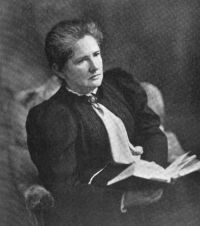
Portrait of Laura Elizabeth Howe Richards Laura Elizabeth Howe Richards Florence Nightingale, the Angel of the Crimea…

In six days from the time she undertook the work she was ready to start, with thirty nurses, chosen with infinite care and pains from the hundreds who had volunteered to go. There was no flourish of trumpets. While England was still wondering how they could go, and whether they ought to be allowed to go—behold, they were gone! slipping away by night, as if they were bound on some secret errand. Indeed, Miss Nightingale has never been able to endure "fuss and feathers," and all her life she has looked for a bushel large enough to hide her light under, though happily she has never succeeded.
Source: Gutenberg

Portrait of Laura Elizabeth Howe Richards Laura Elizabeth Howe Richards Florence Nightingale, the Angel of the Crimea…

As strength returned, Miss Nightingale loved to walk in the great burying ground of which I have told you; to rest under the cypress trees, and watch the little birds, and pick wild flowers in that lovely, lonely place. There are strange stories about the birds of Scutari, by the way; the Turks believe that they are the souls of sinners, forced to flit and hover forever, without rest; but it is not likely that thoughts of this kind troubled Miss Nightingale, as she watched the pretty creatures taking their bath, or pecking at the crumbs she scattered.
Source: Gutenberg

Portrait of Laura Elizabeth Howe Richards Laura Elizabeth Howe Richards Florence Nightingale, the Angel of the Crimea…

In the Barrack Hospital (and this, remember, was but one of eight, and these eight the English hospitals alone!) there were two or three thousand patients; it was a City of Pain. Its streets were long, narrow rooms or corridors, bare and gloomy; no furniture save the endless rows of cots and mattresses, "packed like sardines," as one eye-witness says; its citizens, men in every stage of sickness and suffering; some tossing in fever and delirium; some moaning in pain that even a soldier's strength could not bear silently; some ghastly with terrible wounds; some sinking into their final sleep.
Source: Gutenberg

Get perspective with Kwize: daily news enlightened by great literature