Battle of Waterloo

Definition and stakes

Charlotte A. Eaton,  Waterloo Days: The narrative of an Englishwoman resident at Brussels in June 1815

“ Upon its broad bosom lay the vessels waving with the flag of Britain, and destined to carry home the troops who had so bravely fought and bled in her service, and for her glory.
When I thought of the dreadful waste of human life and sufferings which the battle of Waterloo had cost the world, it almost seemed as if it had been dearly purchased: yet in frequent indecisive battles, and in long-protracted campaigns, more blood might—must have been shed, without the same glorious or important results. In one great day, years of bloodshed and of toil had been saved.
”
Source: Gutenberg

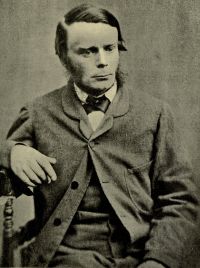
Portrait of Henry Kingsley Henry Kingsley,  The Recollections of Geoffrey Hamlyn

“ Cheer up, good souls! for he you love shall not die yet for many long years. While you are standing there before the porch, dreading the long anxious night, Waterloo has been won, and he—having stood the appointed time in the serried square, watching the angry waves of French cavalry dash in vain against the glittering wall of bayonets—is now leaning against a gun in the French position, alive and well, though fearfully tired, listening to the thunder of the Prussian artillery to the north, and watching the red sun go down across the wild confusion of the battle-field. ”
Source: Gutenberg

Edward Cotton,  A voice from Waterloo: A history of the battle fought on the 18th June… (1877)

“ Why should a man desire to be struck down, if, as the fond tale goes amongst some of his indiscriminate admirers, he had thrice won the battle of Waterloo? He desired death, because he saw that all his resources were gone, and that the British, notwithstanding the day’s dreadful carnage, were about to deal the decisive blow with irresistible force. ”
Source: Gutenberg

Get perspective with Kwize: daily news enlightened by great literature