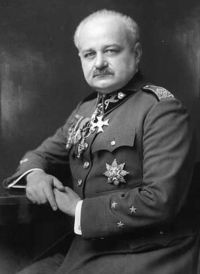
Ludvík Fisher

Ludvík Fisher

Summary

Portrait of Ludvík Fisher Ludvík Fisher The Czechoslovak Review (1917)

At this time, when the Bohemian nation was once more fully alive, but after its first ardent hopes had been disappointed by the return of absolutism under Bach, comes Miroslav Tyrš, a sober philosopher, who submits to a critical examination the essence of national organism, weighs its right to existence and defines its tasks and duties. “All history and all nature is an eternal struggle where everything succumbs that does not establish its right to live.” From this starting point Tyrš takes up the solution of the Bohemian problem.
Source: Wikisource

Portrait of Ludvík Fisher Ludvík Fisher The Czechoslovak Review (1917)

All that lives is subject to this inexorable law of nature either increase and flourish, or disappear and make room for other forms of life. Individuals and nations that cannot keep step with others are doomed to defeat. How does that apply to the Bohemian nation? Here is a small people, recently awakened from death-like sleep, a nation that had claimed from its rulers the right to govern itself, but was silenced by force, a race that could point to a splendid past and not much else. Tyrš believed that a nation manifesting so much vitality after centuries of oppression had a right to live
Source: Wikisource

Portrait of Ludvík Fisher Ludvík Fisher The Czechoslovak Review (1917)

Bohemian Sokols will fight joyfully and manfully under the stars and stripes. They see the war, just as President Wilson defined it—a struggle of democracy against autocracy, of civilization against militarism, of government by the people against government by crowned despots. American victory means the sweeping away not merely of Hohenzollerns, but of Hapsburgs also
Source: Wikisource

Get perspective with Kwize: daily news enlightened by great literature