Summary

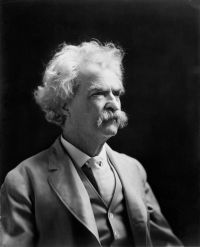
Portrait of Mark Twain Mark Twain,  How to Tell a Story

“ The pause is an exceedingly important feature in any kind of story, and a frequently recurring feature, too. It is a dainty thing, and delicate, and also uncertain and treacherous; for it must be exactly the right length--no more and no less--or it fails of its purpose and makes trouble. If the pause is too short the impressive point is passed, and the audience have had time to divine that a surprise is intended--and then you can't surprise them, of course. ”
Source: Wikisource

Portrait of Mark Twain Mark Twain,  How to Tell a Story

“ The humorous story is strictly a work of art--high and delicate art--and only an artist can tell it; but no art is necessary in telling the comic and the witty story; anybody can do it. The art of telling a humorous story--understand, I mean by word of mouth, not print--was created in America, and has remained at home.
The humorous story is told gravely; the teller does his best to conceal the fact that he even dimly suspects that there is anything funny about it
”
Source: Wikisource

Portrait of Mark Twain Mark Twain,  How to Tell a Story

“ And sometimes, if he has had good success, he is so glad and happy that he will repeat the "nub" of it and glance around from face to face, collecting applause, and then repeat it again. It is a pathetic thing to see.
Very often, of course, the rambling and disjointed humorous story finishes with a nub, point, snapper, or whatever you like to call it. Then the listener must be alert, for in many cases the teller will divert attention from that nub by dropping it in a carefully casual and indifferent way, with the pretense that he does not know it is a nub.
”
Source: Wikisource

Get perspective with Kwize: daily news enlightened by great literature