Summary

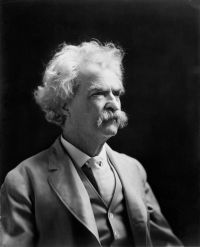
Portrait of Mark Twain Mark Twain Pudd'nhead Wilson — Sold Down the River (1894)

By agreement, the conversation in Roxy's presence was all about the man's "up-country" farm, and how pleasant a place it was, and how happy the slaves were there; so poor Roxy was entirely deceived; and easily, for she was not dreaming that her own son could be guilty of treason to a mother who, in voluntarily going into slavery—slavery of any kind, mild or severe, or of any duration, brief or long—was making a sacrifice for him compared with which death would have been a poor and commonplace one.
Source: Wikisource

Portrait of Mark Twain Mark Twain Pudd'nhead Wilson — Sold Down the River (1894)

So Tom argued with himself that it was an immense advantaged for Roxy to have a master who was pleased with her, as this planter manifestly was. In almost no time his flowing reasonings carried him to the point of even half believing he was doing Roxy a splendid surreptitious service in selling her "down the river." And then he kept diligently saying to himself all the time: "It's for only a year. In a year I buy her free again; she'll keep that in mind, and it'll reconcile her." Yes; the little deception could do no harm, and everything would come out right and pleasant in the end, anyway.
Source: Wikisource

Get perspective with Kwize: daily news enlightened by great literature