“ To thee! we feel thy spell! —The hopeless tangle of our age, Thou too hast scanned it well. Immovable thou sittest, still As death, composed to bear; Thy head is clear, thy feeling chill, And icy thy despair. Yes, as the son of Thetis said, I hear thee saying now: Greater by far than thou are dead; Strive not! die also thou! Ah! two desires toss about The poet’s feverish blood; One drives him to the world without, And one to solitude. The glow, he cries, the thrill of life, Where, where do these abound? Not in the world, not in the strife Of men, shall they be found. ”
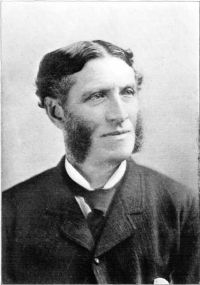
Matthew Arnold
Summary
Matthew Arnold’s Poems is a collection that interweaves mythological references with meditations on human struggle, featuring figures such as Balder, Sohrab, and Rustum. Themes of divine conflict, existential despair, and the tension between isolation and social involvement run throughout the work, as seen in verses that explore the poet’s inner turmoil and the pointlessness of renown.
Arnold’s verses, rich in Norse and Persian influences, combine mythic splendor with Victorian existential unease, portraying the self as caught between earthly labor and the icy emptiness of cosmic detachment.
Quotes from Poems (Matthew Arnold)
“ Then, with a heavy groan, Rustum bewailed,— “Oh that its waves were flowing over me! Oh that I saw its grains of yellow silt Roll tumbling in the current o’er my head!” But, with a grave mild voice, Sohrab replied,— “Desire not that, my father! thou must live. For some are born to do great deeds, and live As some are born to be obscured, and die. Do thou the deeds I die too young to do, And reap a second glory in thine age; Thou art my father, and thy gain is mine. But come! thou seest this great host of men Which follow me; I pray thee, slay not these! ”
“ How didst thou cross the bridge o’er Giall’s stream, Being alive, and come to ocean’s shore? Or how o’erleap the grate that bars the wall?” She spake; but down off Sleipner Hermod sprang, And fell before her feet, and clasped her knees; And spake, and mild entreated her, and said,— “O Hela, wherefore should the gods declare Their errands to each other, or the ways They go? the errand and the way is known. Thou know’st, thou know’st, what grief we have in heaven For Balder, whom thou hold’st by right below. ”
