“ Breeding has for centuries been an art, but the science of breeding is so new as to seem a mass of contradictions to all except those familiar with the maze of mathematics and biology by which the barn-yard facts must find their ultimate explanation. The science of breeding may in the future bring about that which would now seem miraculous, but it is the ancient art of breeding that is and will for years continue to be the means by which the poultry fancier will achieve his results. ”
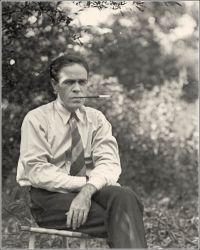
Milo Hastings
Summary
Milo Hastings’ The Dollar Hen, published in an era of growing agricultural interest, offers a detailed exploration of poultry farming as both an art and a science. Focusing on themes of breeding, egg production, and effective farming practices, the text examines the interplay between conventional methods and evolving economic principles. Hastings discusses the challenges of incubation, feed management, and market trends, while promoting contemporary business strategies in agriculture.
Through practical insights and critiques of industrial shortcomings, the book positions poultry farming as a viable route to profitability, blending technical guidance with reflections on labor and specialization. Its combination of practicality and foresight highlights the potential for transforming rural economies through informed, innovative approaches.
Quotes from The Dollar Hen (Milo Hastings)
“ The fond dreamer looks upon the steel trust, the oil trust, the department store, the packing house, the chain groceries, the theatrical trust, and the colossal enterprises that dominate every field of industry save agriculture. Here, then, lies the neglected opportunity for the industrial dreamer to hop over the fence, awaken the sleeping farmer, and fill his own purse with the wealth to be made by applying modern business methods to agriculture. ”
“ The price of turkeys has risen with the price of chickens and eggs, until one would think that there would be great money in the business, and there is, for the motherly farm wife who has the knack of bringing the little turks through the danger of delicate babyhood. But just as the duck is more domesticated than the chicken, so the turkey, which yet closely resembles its wild ancestor, is less domestic and has as yet failed to surrender to the ways of commercial reasoning, the chief factor of which is artificial brooding. ”
